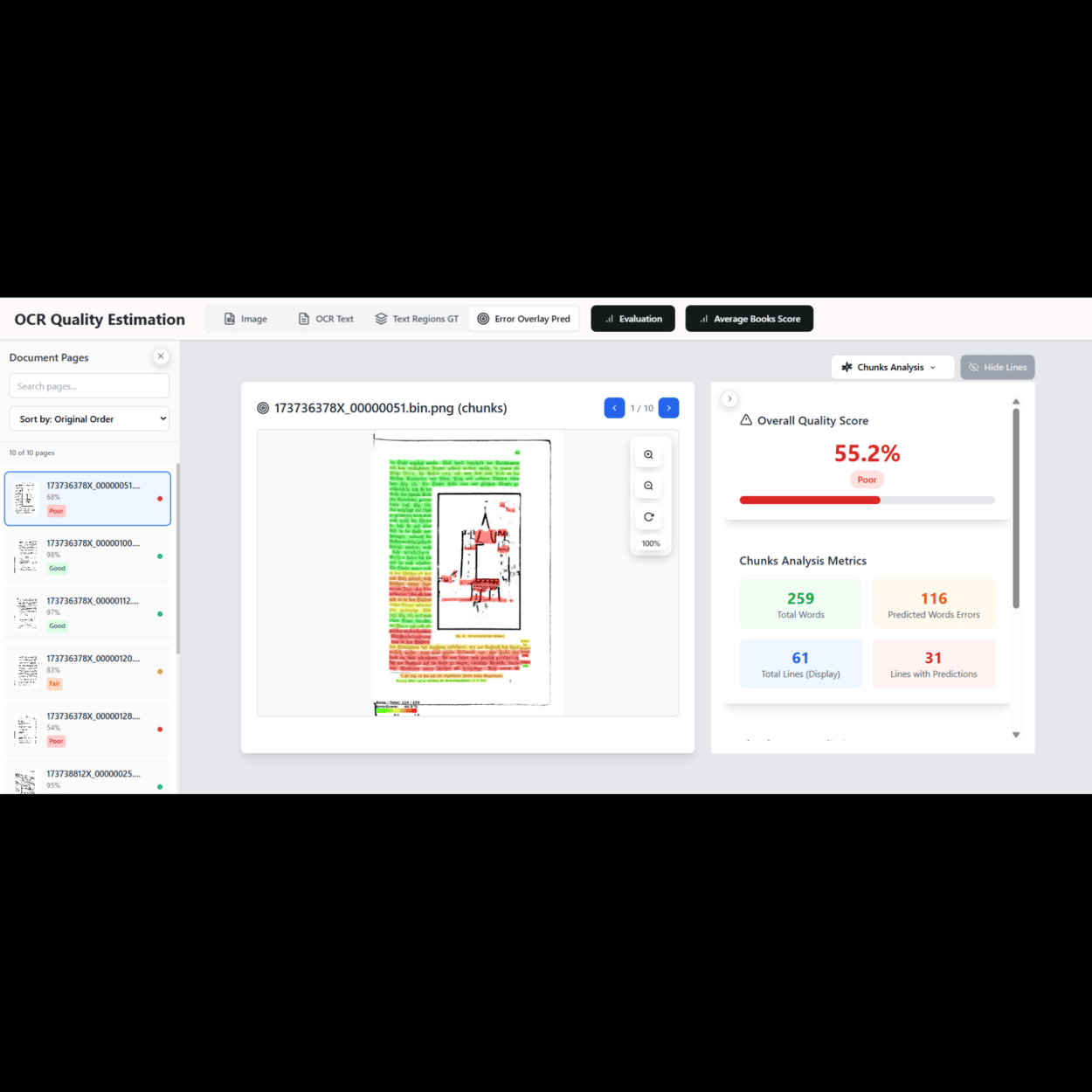
OCR-LLM-HistoricalGerman
A web-based GUI using LLMs and traditional NLP to automatically detect and score OCR errors in historical German documents.
View on GitHubM.Sc. student in Artificial Intelligence & Extended Reality at Julius-Maximilians-Universität Würzburg, building on a Computer Engineering background from METU. I work at the intersection of AI development, agentic systems and emerging technologies, with a focus on building intelligent and interactive software systems.
M.Sc. student in Artificial Intelligence & Extended Reality at Julius-Maximilians-Universität Würzburg, with a background in Computer Engineering from METU. I work across applied AI, machine learning, computer vision, and LLM-based systems, with a focus on turning ideas and research prototypes into practical applications.
My technical experience includes Python, deep learning, LLM integration, prompt engineering, retrieval-based systems, computer vision, evaluation pipelines, and multi-agent AI systems. I am particularly interested in building LLM-powered applications and chatbots using frameworks such as LangChain and LangGraph, with Langfuse for tracing, evaluation, and prompt management. I also enjoy working on system architecture, model selection, experimentation, and improving the reliability and maintainability of AI applications..
A web-based GUI using LLMs and traditional NLP to automatically detect and score OCR errors in historical German documents.
View on GitHub
Web-based ASD pre-screening application combining ML models and eye-tracking data for fast, accessible early diagnosis support.
View on GitHub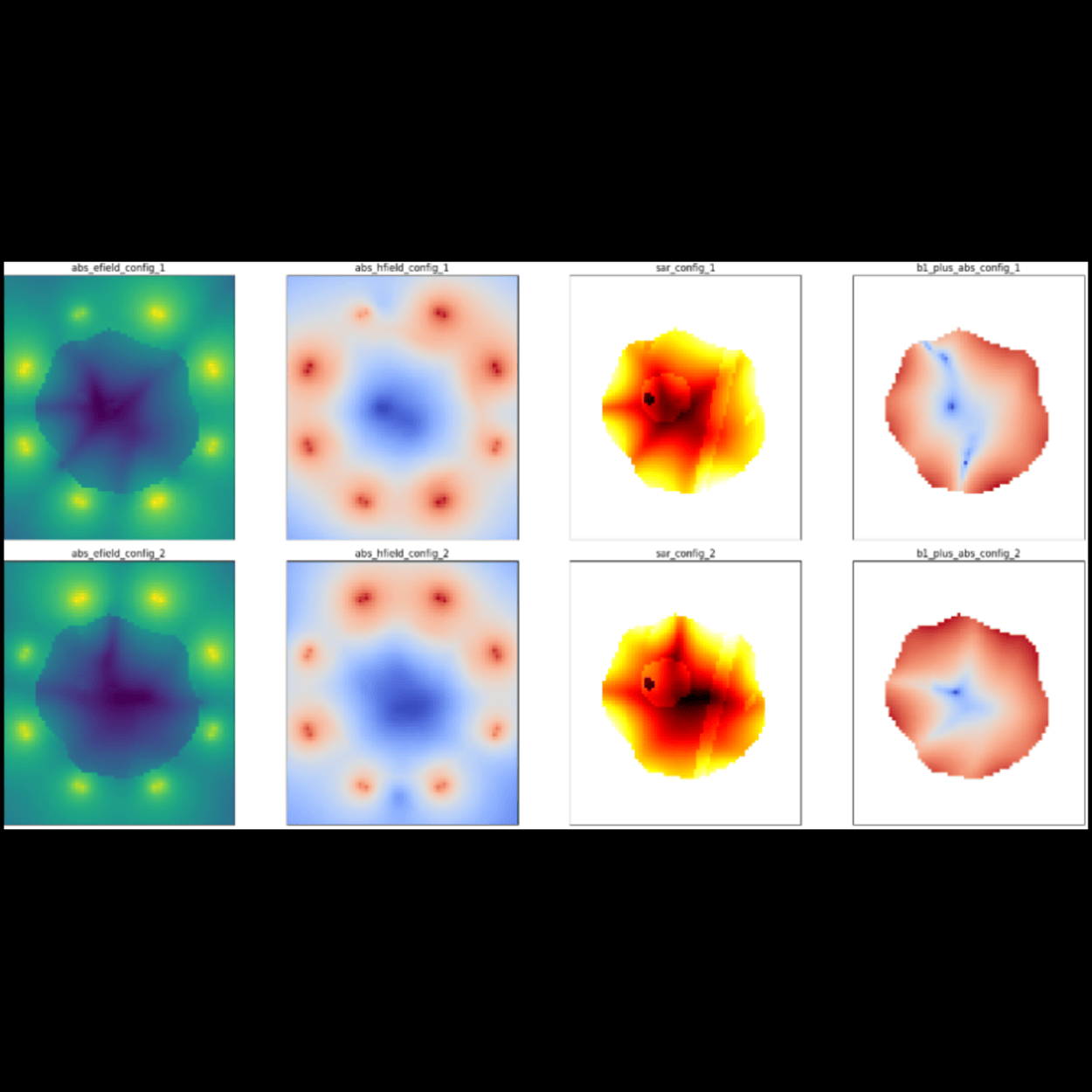
Optimizing MRI coil performance by maximizing B1+ field uniformity and reducing peak SAR using precomputed field data for safer, higher-quality imaging.
View on GitHubNotes from a hackathon on physics-informed machine learning for medical imaging. tuning dipole phase and amplitude to maximize B1+ field homogeneity and reduce peak SAR, placing 2nd out of seven teams.
Read the full post